2025.10.20
On-demand mobility reservation and dispatch system シティ Mobi (CTi Mobi) to be linked to self-driving systems: toward the era of self-driving vehicles being used for demand-responsive transportation
Technology & Research
Our company recently improved CTi Mobi, our on-demand mobility reservation and dispatch system, which we started developing and commercializing in 2019 and which has been used in 23 municipalities throughout Japan so far (including 15 municipalities that have seen the full-scale introduction of the system), to enable it to be linked to self-driving systems.
< Main implemented functions >
- New ability to transmit reservation information (schedule registration) and driving instructions from CTi Mobi to self-driving cars
- New ability to remotely monitor the current locations and behavioral information of self-driving cars through vehicle cameras with CTi Mobi
In the future, we will keep an eye on the social implementation trends of self-driving cars as we accelerate our initiatives to achieve on-demand transportation systems using self-driving cars.
1. About CTi Mobi
CTi Mobi is an on-demand ride sharing mobility service that uses optimization algorithms based on the latest AI technology. This service responds to user needs by providing support that boosts the efficiency of local transportation operations, including demand-responsive transportation and ride-sharing taxis, to enable anyone to freely move wherever they need to.
CTi Mobi has been used for demand-responsive transportation in 23 municipalities throughout Japan so far (including 15 municipalities that have seen the full-scale introduction of the system). This service offers optimal customization based on the operational needs of each region, making it easy for people in the community to use.
2. Increasing needs for self-driving on-demand transportation service
In recent years, similarly to fixed-route buses, on-demand transportation has started facing serious problems stemming from aging drivers and labor shortages, and there are now regions where it is difficult to secure effective transportation systems. To maintain regional transportation, the need for self-driving on-demand transportation is expected to increase.
3. Development aimed at shifting to self-driving
Based on the above needs, CTi Mobi has added two functions to handle the shift to self-driving: linkage with self-driving systems and remote monitoring.
1) Linkage with self-driving systems
As part of the development of a function for linking CTi Mobi to self-driving systems, we set up an approximately 550-meter course at our experimental site and conducted a demonstration experiment. (For details, see Fig. 1 Content of experimental linkage with a self-driving system.) During our demonstration experiment, we linked CTi Mobi to a self-driving system to verify the details below.
( i ) Receiving user reservations with the CTi Mobi user app, automatically generating a dispatch plan based on reservations using CTi Mobi's AI core engine, and automatically registering the resulting reservation schedule to self-driving cars
( ii ) Obtaining the locations of self-driving cars in real time while they are on the move, automatically tracking the status of vehicles, including when users get in or out of them as well as whether they are moving or stopped, and displaying such details with CTi Mobi
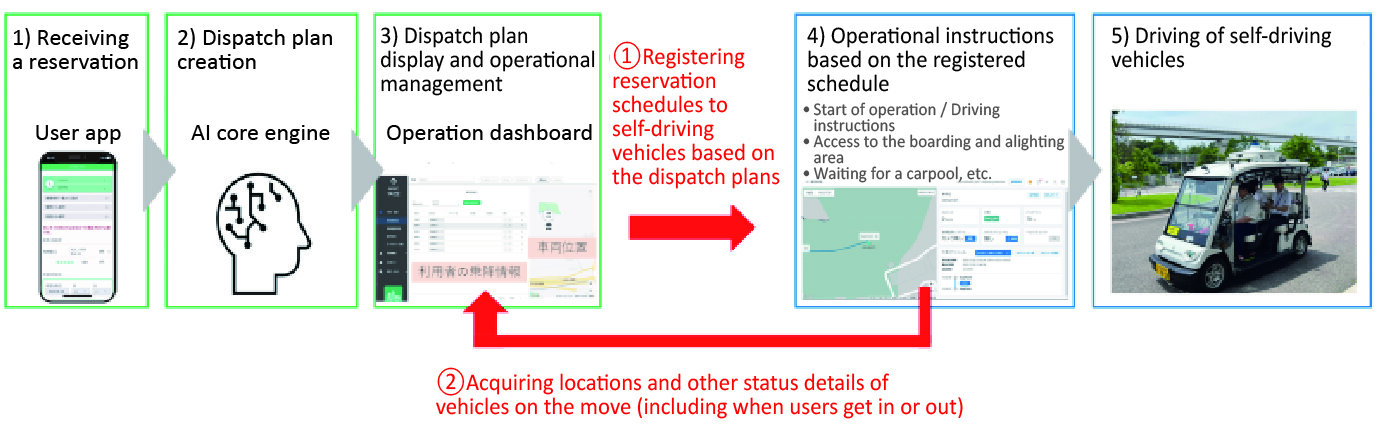
Fig. 1 Content of experimental linkage with a self-driving system
* The module we used for connecting with the self-driving software Autoware was developed by Autoware is a registered trademark of the Autoware Foundation.
2) Adding a remote monitoring function to achieve operational management and gain an understanding of the situation both within and outside of vehicles
To achieve remote monitoring of self-driving cars, we developed a remote monitoring function that makes it possible to confirm videos filmed by cameras attached to these vehicles in real time. (For details, see Fig. 2 Linkage of a remote monitoring system to CTi Mobi.) The operational management screen for on-demand transportation provided by CTi Mobi (the operation dashboard) can be used to view the video footage filmed by the cameras of each service vehicle, which makes it possible to both manage operations and collectively understand the situation within and outside of each vehicle.
This enables the person in charge of remote monitoring to handle operations based on a real-time understanding of the situation, including the number of users and when they get in or out of vehicles at stops even without drivers in the vehicles.
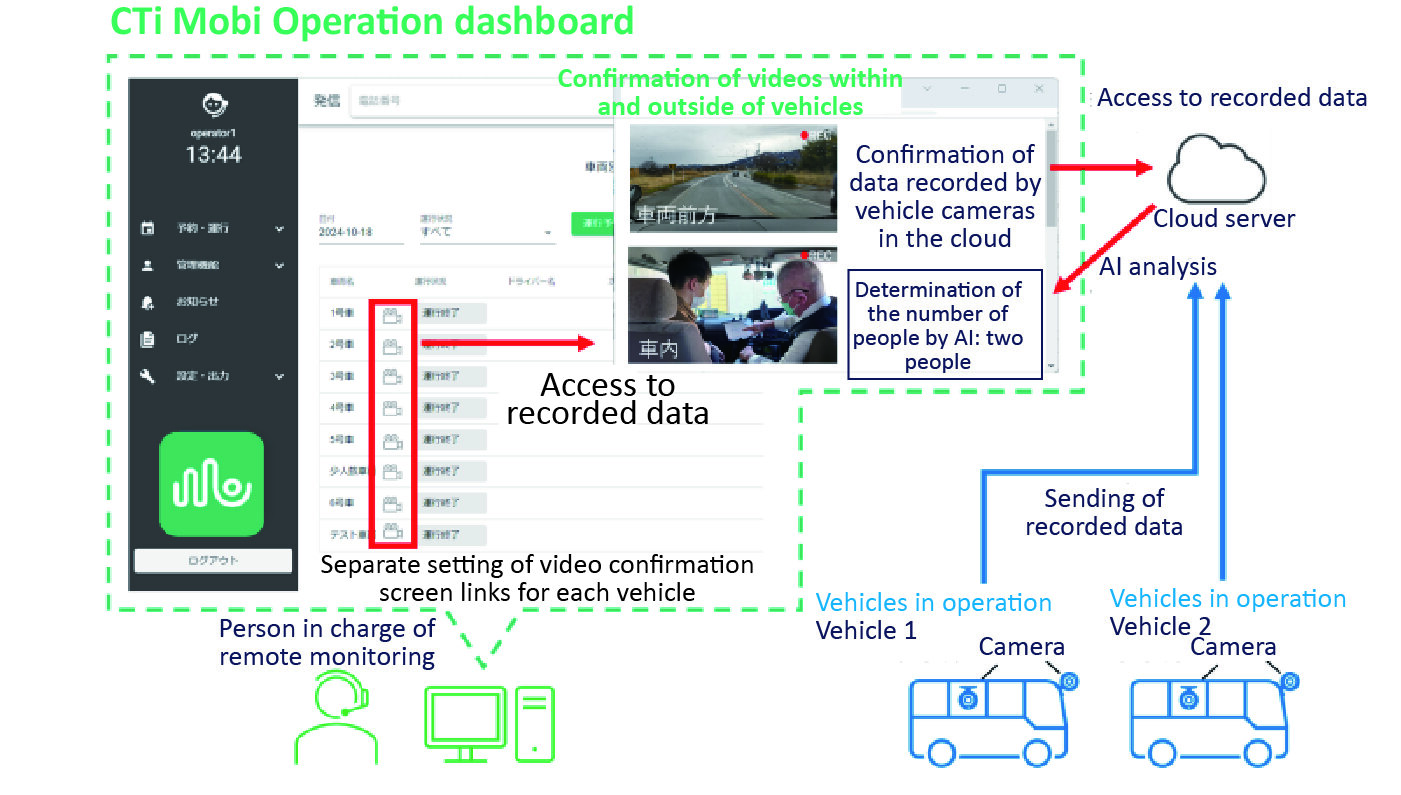
Fig. 2 Linkage of a remote monitoring system to CTi Mobi
4. Future outlook
As a result of our recent functional development and demonstration experiment, we successfully developed the basic functions of CTi Mobi necessary to switch to self-driving cars in the future, including self-driving car operations linked to user reservations as well as the remote monitoring of vehicles.
In the future, we will conduct demonstration experiments and promote the development of functions necessary to handle self-driving, including users getting in and out of cars, fee collection, and other required operations, as we aim to achieve on-demand transportation service using self-driving cars.